
What the Travel Apps Still Get Wrong About Slow Travel
By Sienna Vale * June 17, 2026
There is a particular silence an app makes when it has run out of things to sell you. I heard it on an ordinary morning in Mexico, a few weeks into a stretch of days that had stopped announcing themselves as anything special. I opened the travel app I have used for years, the one that knows my saved places and the exact distance I will walk for a decent coffee, and it greeted me the way it always does. A row of things to do nearby. A little momentum bar. A nudge to make the most of my trip.
But I was not on a trip. That was the part the app could not hold.
Built for trips with edges
For most of my life, travel was an event with edges. You arrived, you optimized, you left. The apps were built for that shape, and they are very good at it. They will find you the highest-rated everything inside a tightening radius, sort your hours into an itinerary, and quietly judge the gaps. They assume the clock is running. They assume you came to see, and that seeing is a task you can finish.
Slow travel breaks that assumption in a way no software has quite metabolized yet.
What the algorithm can’t surface
When you stay somewhere long enough, the best things stop being discoverable. They are not the top result. They are the third morning in a row at the same panaderia, where the woman behind the counter has started reaching for the concha before I say a word. There is no rating for that. The algorithm cannot surface a relationship. It can only surface a place, and then act surprised when I keep returning to one it has already crossed off as done.
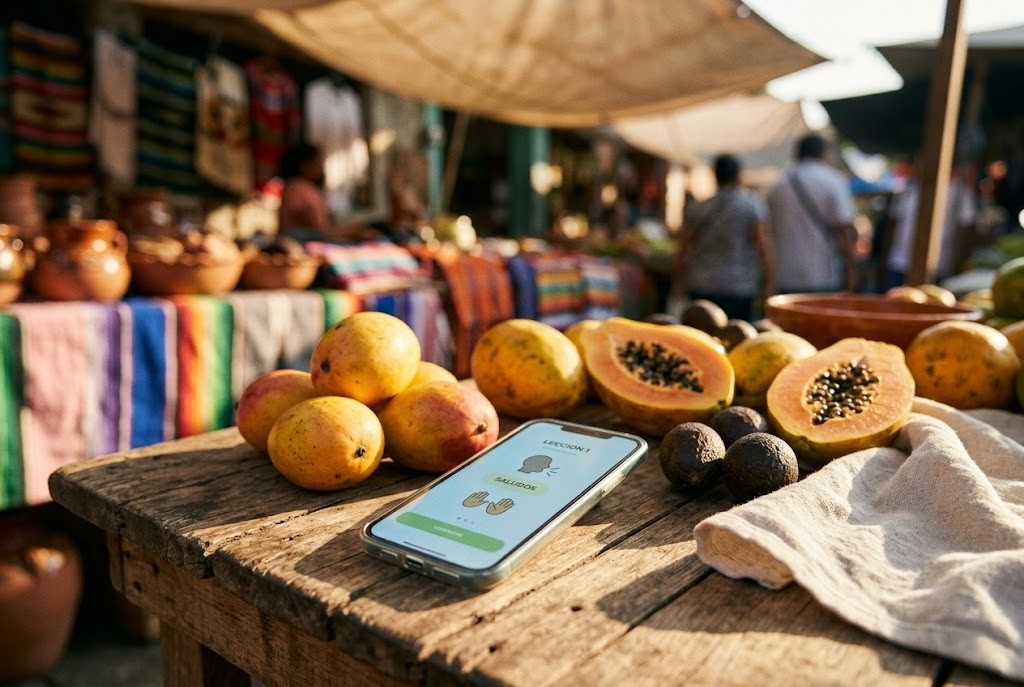
Rosetta Stone has the same blind spot, dressed up as structure. It wants me to move cleanly through the next lesson, fifteen tidy minutes of naming pictures in a calm and patient voice, and it is genuinely useful for that. But the Spanish that has actually changed me did not come from the lessons. It came from the small, unglamorous exchanges no app has a category for. Asking the man at the fruit stand which mango is ready today, being wrong, and him laughing and showing me. The grammar I will remember is the grammar I was a little embarrassed by first.
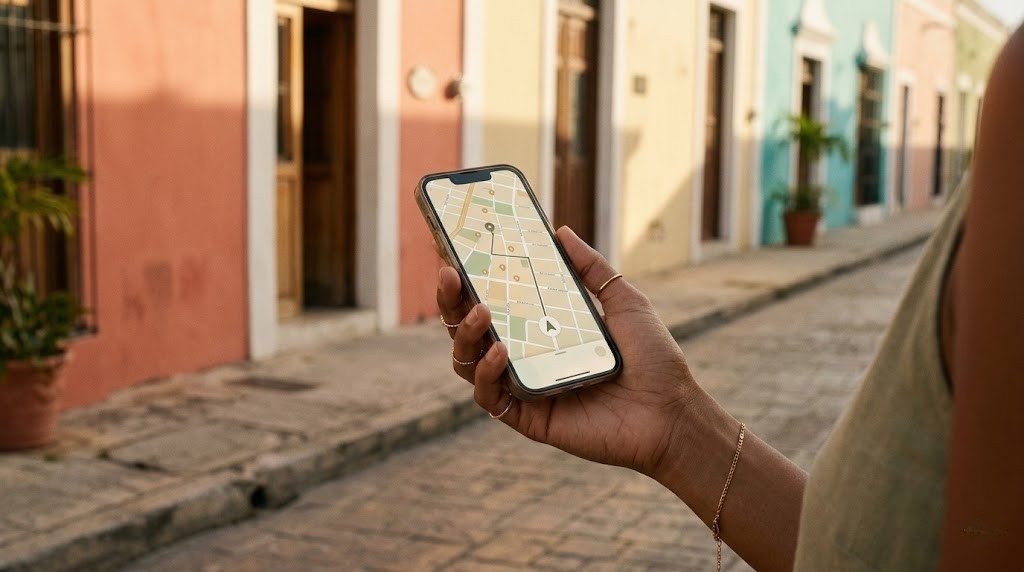
Google Maps is the gentlest offender. It is built to save you time, and time is the one thing I am no longer trying to save. The fastest route is rarely the one that teaches you a city. I have started taking the long way on purpose, the way that makes no sense to the little blue line, because the long way is where a place stops being a grid and becomes a set of corners you know by heart.
Optimized for leaving
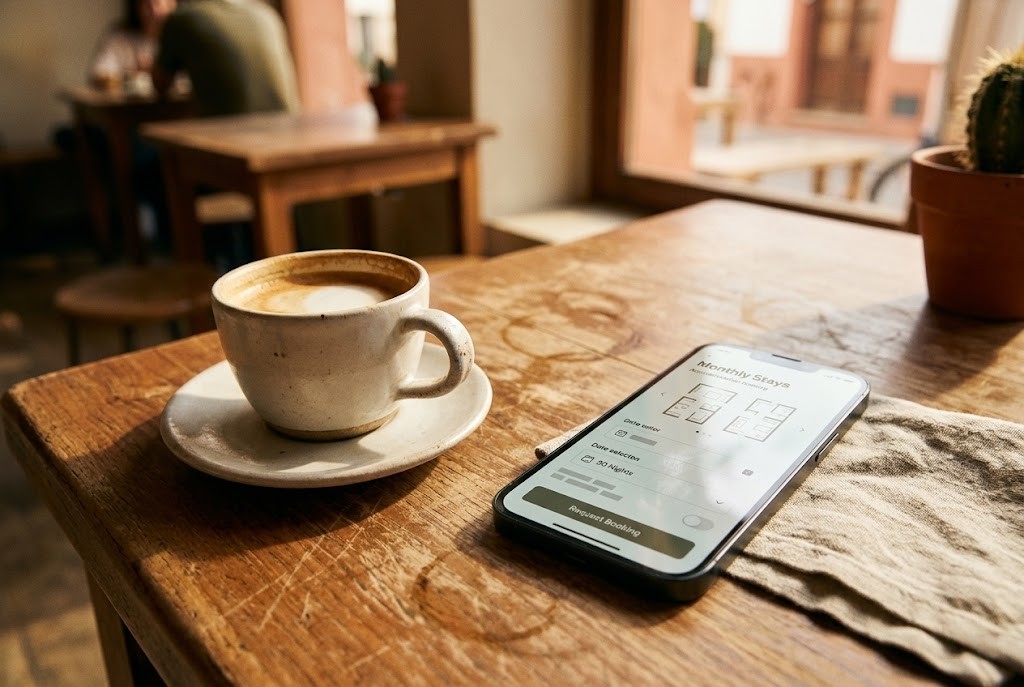
I am not anti-tool. I would not want to do this without the boring miracles, the ones that handle the bookings and the currency, and the part of my brain that still needs a plan to feel safe. The month-long Airbnb that turns a city into an address instead of a stop. Those earn their place. What I have stopped expecting is for any of them to understand what I am actually doing here, because the apps are all, quietly, built around leaving. The countdown. The itinerary. Most of your trip. They are optimized for the exit.
I am optimized for staying. That is the whole project now, and it took me an embarrassingly long time to notice that the software and I wanted different things. The app wants me to have seen Mexico. I want to have lived a small, specific slice of it well enough that it changed how I move through a morning.
You do not need an app for that. You need to stay long enough to be recognized, and then keep showing up after the novelty is gone. The tools will keep nudging you toward the next thing. The whole practice is learning, gently, to ignore them.
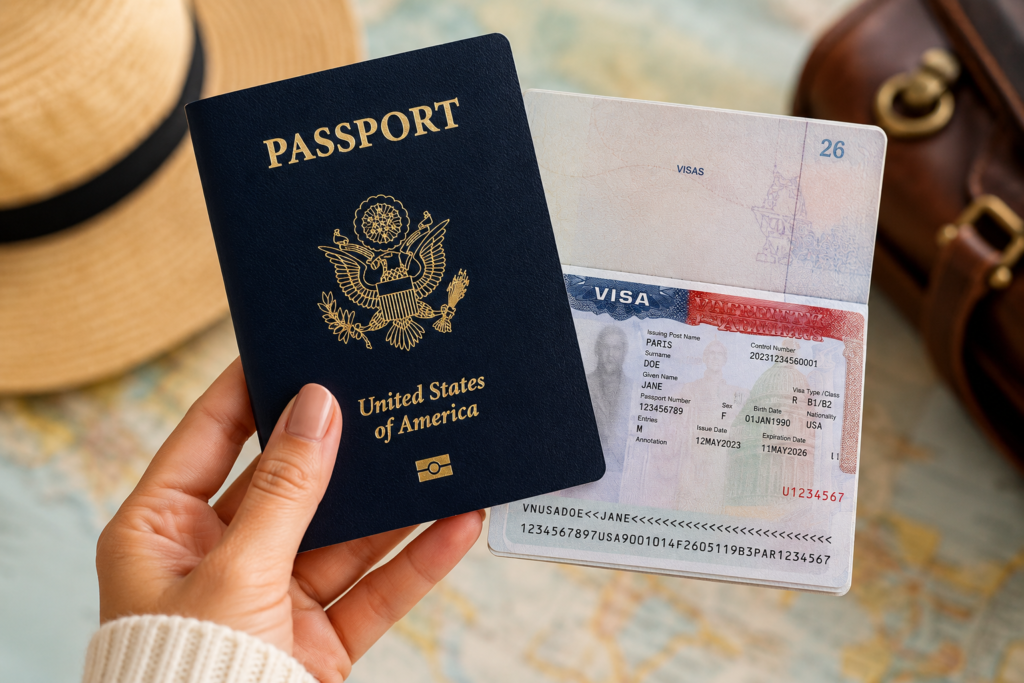
Before you book the stay, check the border.
Slow travel begins long before arrival. Visa rules shift quietly, and what was true last season may not be true now.
Use our Visa Finder to check entry requirements, stay lengths, and updates before you go.