Camel Pose and the Things It Shakes Loose
There is a pose I skip. I have been practicing for nineteen years, and I still find reasons, most of them plausible, occasionally even true. My back is tight today. I did not warm up properly. I have a call in twenty minutes, and I do not want to arrive at it with a wet face.
That last one is the real reason and it took me most of a decade to admit it.
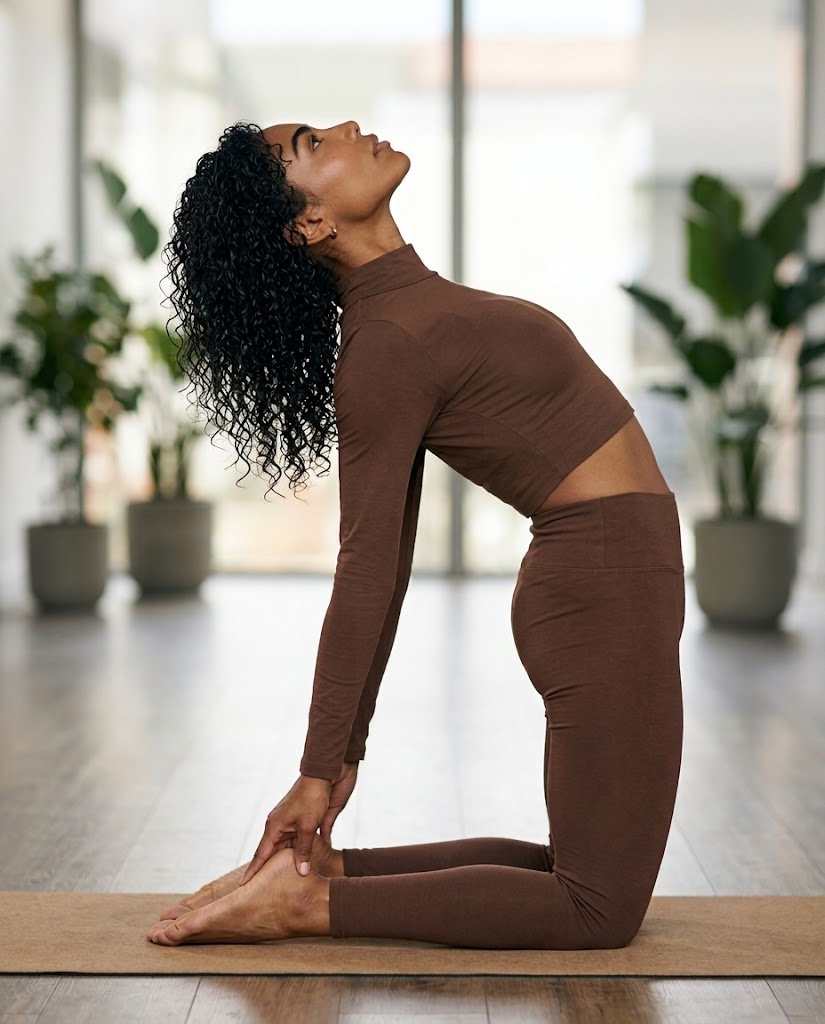
What actually happens in camel pose
You kneel. You put your hands on your heels and you push your hips forward and you let your chest open toward the ceiling, and what you have done, mechanically, is expose the entire front of your body. Throat. Sternum. Belly. Every part of you that a body instinctively protects when it is frightened or ashamed or braced.
The first time I cried in camel pose I was twenty-six and in a room with eleven strangers and I was mortified. My teacher, who had presumably seen it four hundred times, said nothing at all, which was the correct response and which I have tried to replicate ever since with my own students.
It still happens to me maybe one time in fifteen. Not sobbing. A sudden thickness in the throat, eyes going hot, a feeling of something turning over. It passes in about ninety seconds. I have stopped treating it as a malfunction.
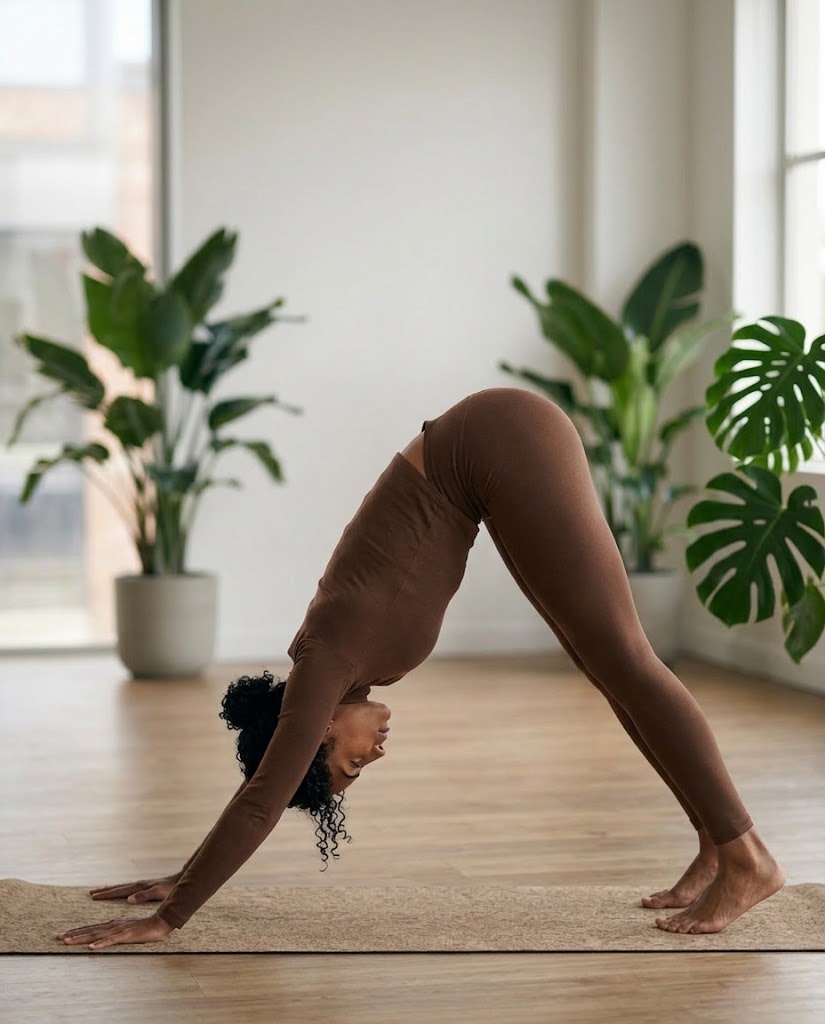
The two poses I need first
I cannot go straight there and neither, I suspect, can you.
Downward dog first, and longer than feels necessary. Five slow breaths minimum, heels reaching but not required to land, hands pressing evenly so the work goes into the shoulders rather than hanging off the wrists. This is the pose where I find out what kind of body I woke up in. Some mornings it is generous. Some mornings my hamstrings tell me no and I adjust the whole plan.
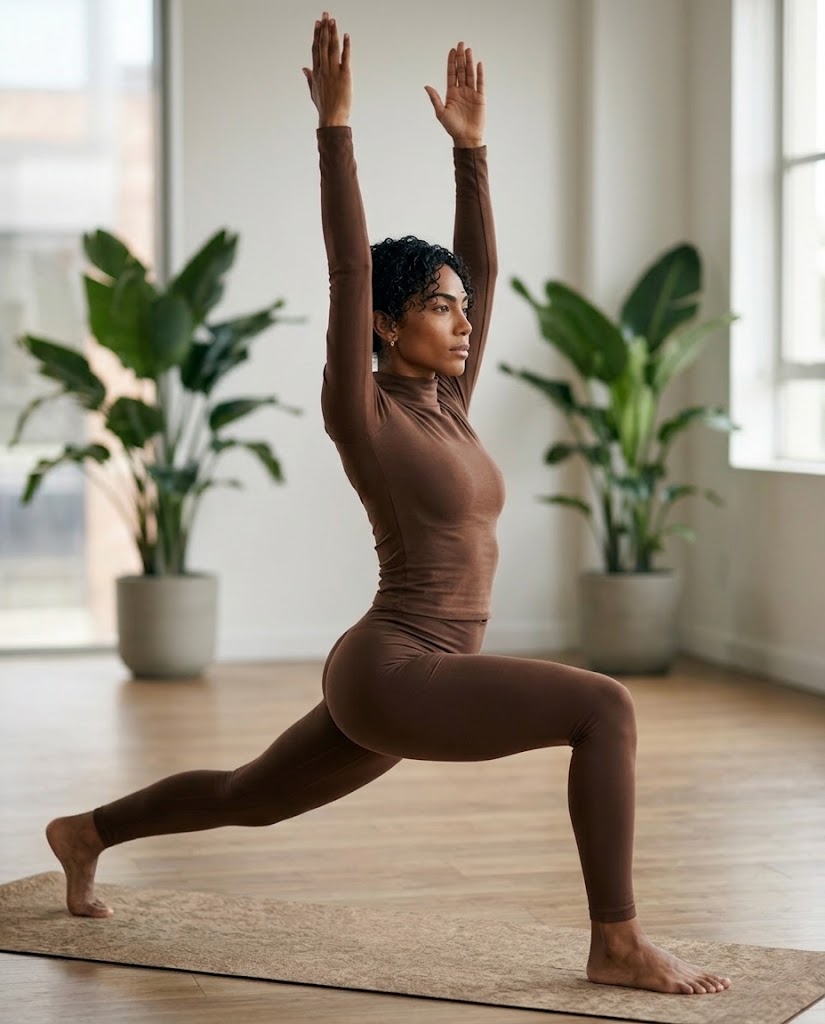
Then a high lunge, both sides, arms up. This is the one people rush and it is the one that makes camel possible. A backbend that comes from a tight hip flexor is not a backbend, it is a compression of your lower spine wearing a backbend costume. The lunge is where the front of the hip gets long enough that your lower back does not have to do all of it.
Only then camel, and only for a few breaths.
What I do not believe about it
I want to be careful here because this is where the wellness industry loses me.
You will hear that the hips store trauma, or that the chest holds grief, said with a confidence the evidence does not support. I am not going to tell you that. What I will say is narrower and, I think, more useful: putting your body into an undefended shape and holding it there while breathing slowly is a nervous system event, and nervous system events sometimes come with feelings attached. That is enough of an explanation for me. It does not require the pose to be mystical to be worth doing.
It also does not mean the crying is the point. Some days camel pose is just a stretch. That is a fine outcome and not a lesser one.
How I practice it now
Three breaths, not ten. Hands on the heels only if the shoulders allow it, otherwise hands at the low back with the fingers pointing down, which is not a beginner version, it is a different and often better version.
I keep the back of my neck long rather than letting my head drop all the way back. Dropping it looks like the photographs. It also compresses the neck and can make you dizzy, and I have watched more than one person come up too fast and sway.
Coming out matters more than going in. Hands to the low back, lead with the chest, let the head arrive last. Then sit back on the heels and stay there for a minute before you decide how you feel. The minute afterward is where most of it happens.
Do not do this one if you have a neck injury, recent back or abdominal surgery, uncontrolled blood pressure in either direction, or if you are prone to migraine. That is not a formality. And if you are pregnant, work with someone who can watch you rather than a blog post.
For everyone else, it is three breaths in an undefended shape, most mornings, in a room by yourself. Some of those mornings it will be nothing at all. Then one of them will not be, and you will know what to do, which is nothing, which is the whole practice.