Five Pantry Habits That Make Home Cooking Taste Expensive
Elara Solari · Food and Home
There is a trend right now for making food at home taste like it came from somewhere with a wine list. I understand the appeal. What I want to offer is the version that does not require a single new gadget or a trip to a specialty store, because the truth is that restaurants do not taste expensive because of secret ingredients. They taste expensive because a few simple things are done with attention.
These are the five habits I actually kept after I left professional kitchens. Not tricks. Habits. They cost very little and they change almost everything.
One. Buy one very good oil, and use it like it is free
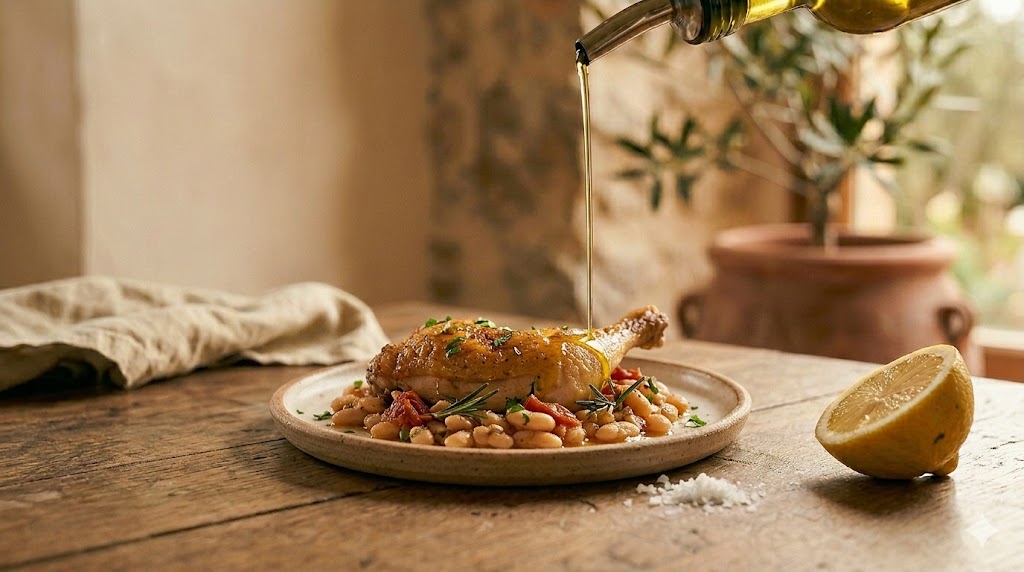
Most people own one bottle of olive oil and use it for everything, which means they use it carefully, which means they never taste it. I keep two. One ordinary oil for cooking, where heat flattens the flavor anyway, and one very good oil that I only use raw, at the end, poured over the finished plate.
That finishing pour is the single biggest difference between food that tastes homemade and food that tastes considered. Soup, beans, a plain piece of fish, a slice of bread. A thread of good oil over the top, added off the heat, and suddenly the dish has a top note it did not have a moment ago. The oil lasts for months because you are using a little at a time, in the place where you can actually taste it.
Two. Salt earlier than you think, and keep something flaky for the end
Underseasoned food is the most common reason home cooking tastes dull, and it is also the easiest thing in the world to fix. Salt your water, salt your vegetables as they cook, taste as you go. Salt is not a finishing step. It is the whole conversation.
Then keep one box of flaky salt for the very end, the crunchy kind. A small pinch over a tomato, an egg, a piece of bread with oil, gives a little texture and a little surprise that reads, to anyone eating it, as care. It costs a few euros and lasts a year.
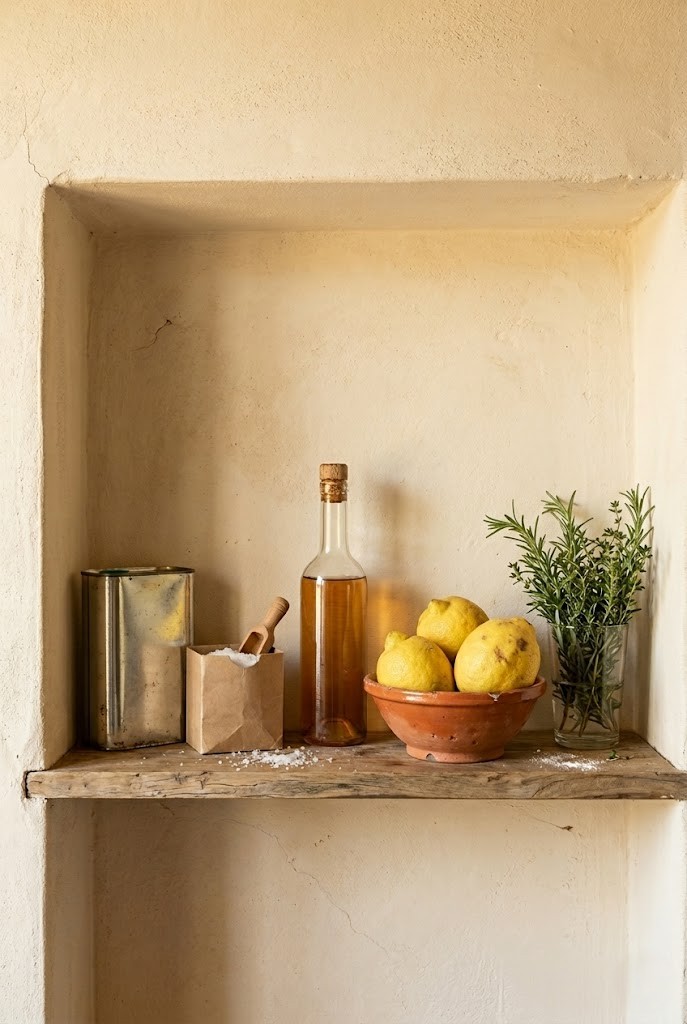
Three. Keep acid within reach
A dish that tastes flat is very often not missing salt or fat. It is missing acid. A squeeze of lemon, a splash of vinegar, a few of those anchovies melted into the pan. Acid wakes everything else up. It is the reason a restaurant plate tastes bright and your version of the same dish sometimes tastes heavy.
I keep lemons in a bowl on the counter and a good red wine vinegar by the stove, and when something I have made tastes like it is missing a little something, acid is the first thing I reach for. It is right almost every time.
Four. Let the season choose, and let one ingredient be the star
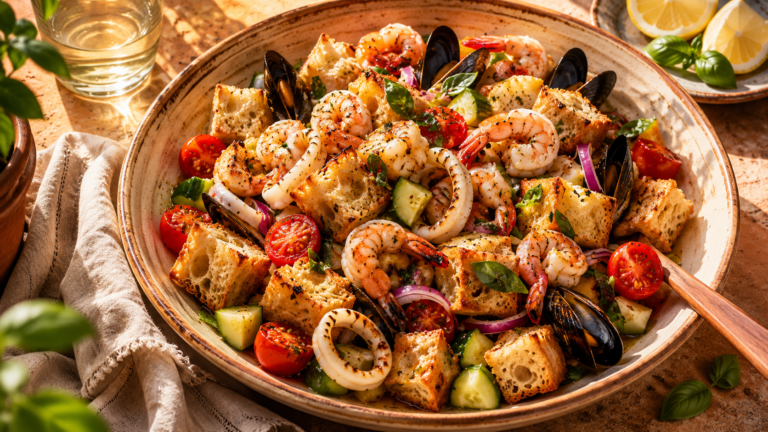
The most expensive looking plates I make are usually the simplest, because they are built around one thing that is at its best. A tomato in August needs almost nothing. Asparagus in spring wants oil, salt, and to be left mostly alone.
When you cook with what is in season, you are buying things at the moment they are cheapest and best, and you are not fighting the ingredient to make it interesting. This is the opposite of how a lot of cooking content works, which piles technique onto produce that has none of its own flavor. Buy the thing that is good right now. Do less to it. It will taste like more.
Five. Finish with something fresh
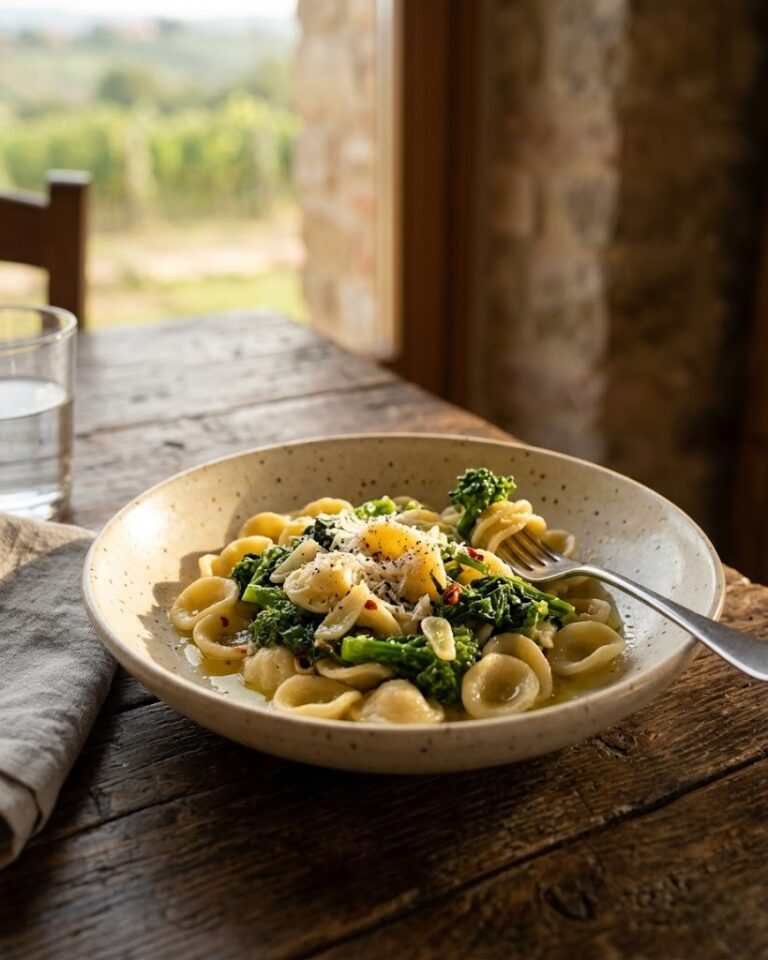
The last habit, and the one that ties the others together. Almost anything I cook gets finished with something fresh and uncooked right before it reaches the table. Torn herbs, a little lemon zest, grated cheese, a few leaves of something green.
It takes ten seconds and it is the difference between food that looks finished and food that looks alive. The fresh thing on top is a signal, to whoever is eating, that the cook was still paying attention at the very last moment. That attention is the whole thing. It is, in the end, what people are actually paying for when they pay for a nice meal, and it is the one part you can give yourself for free, at home, on a Tuesday, with whatever you have.
None of this is about spending more. It is about spending your attention in the few places where it shows. Good oil at the end, salt all the way through, acid to brighten, the season to guide you, and something fresh on top. Keep those five and your kitchen will start producing food that tastes like it cost more than it did, which is, when you think about it, the best kind of luxury. The kind you can actually afford every day.